

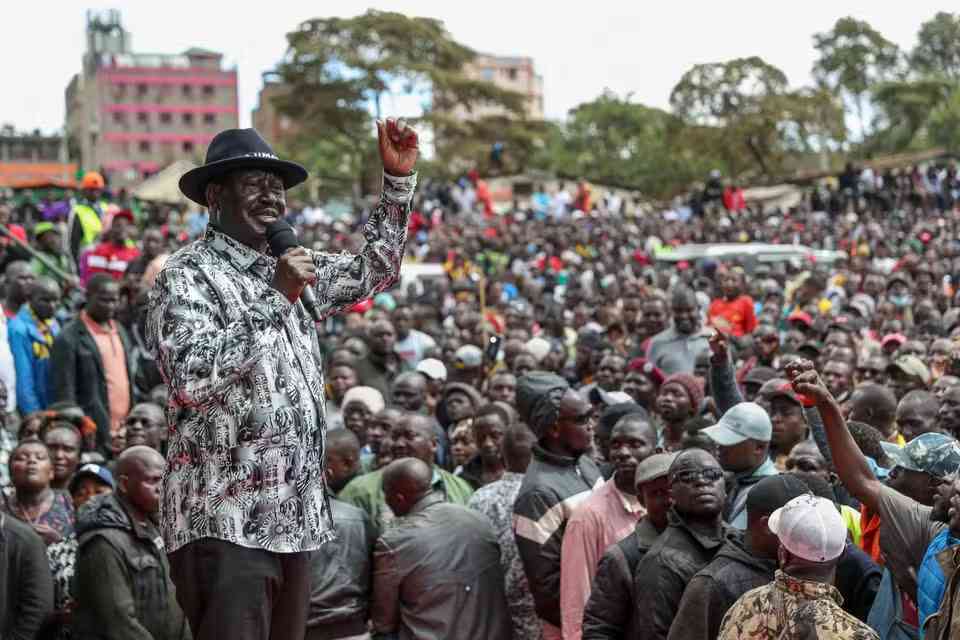
Kenya is facing a loud absence of a powerful, Democratic and patriotic leader Hon Raila Amolo Odinga. For decades, Odinga stood as a directional symbol for many and a voice for all. His departure has left the political world reeling, and many are asking: what comes next?
Within the corridors of the Orange Democratic Movement (ODM), there’s palpable tension. Odinga never named a clear heir someone who could instantly match his charisma, credibility and cross‑tribal reach. As it is, ODM has always had strength rooted in his Luo base, but his ability to draw people beyond that into Nyanza, the coast, even parts of Mt Kenya was part of what made him unique. Without him, that gravitational pull may weaken, and internal competition over leadership is now un avoided.
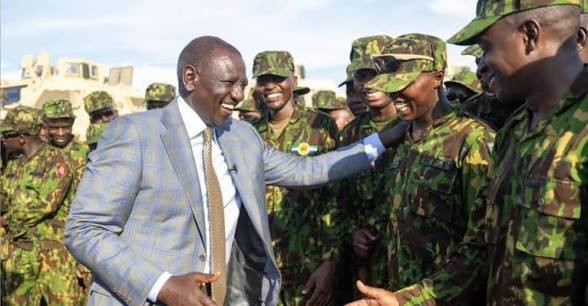
The current leadership and administration is left facing unforeseen transformations. In recent years, Odinga had transitioned his long‑opposition stance softened by alliances. The “Deal” with President William Ruto had given him parts of government influence, and many saw that bridge as both uneasy and essential. Now, with Odinga gone, those bridges will be tested. Which ODM spaces will align with Ruto’s agenda, and which will insist on independent identity? For Ruto, the support Odinga could bring in regions like Nyanza could be harder to maintain without Odinga’s personal magnetism behind it.
Now more than ever, the youth of Kenya Gen Z and younger millennials are stepping into view as a powerful force. Even prior to Odinga’s passing, many had drifted into disillusionment not simply because of which party or candidate came forward, but because politics often felt like a stage for personalities instead of policies, and loyalty for tribe instead of solutions. If new leaders emerge who focus less on legacy and more on issues that affect daily life good jobs, climate action, transparent government, inclusion that could shift the whole dynamic. With the 2027 election just over two years away, this is a pivotal moment.
The opposition coalition, which had found firmer footing under Odinga’s leadership, will now face a test: can it hold together without him? Polls before his death suggested that many Kenyans believed that opposition unity was possible. Yet, sustaining unity without a shared commanding figure may require deep and delicate negotiation.
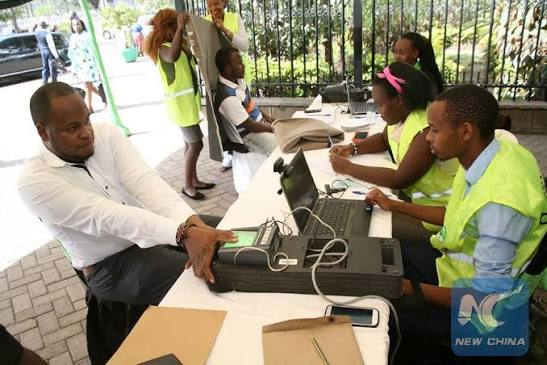
The Independent Electoral and Boundaries Commission (IEBC), already under scrutiny and pressure to deliver credible, fair elections in 2027, must now manage a political environment richer in tension and uncertainty. The gap between public trust and institution performance was already a concern before Odinga’s death, that gap could widen if the election cycle is seen as unfair or manipulated.
Change is a slim but real possibility right now. In moments like this, when the old ways falter, there’s room for renewal. Maybe fresh faces,regional leaders, passionate activists, or thoughtful technocrats will rise from the margins to carry us forward. It could force political parties to stop treating citizens like spectators, to actually listen and connect with ordinary people, especially young folks, rather than relying on familiar names and showmanship. If those in power step up with humility and responsibility, this moment could spark genuine conversations about what it means to lead, to serve honestly, and to represent everyone not just those at the top.
In the end, Odinga’s death is not just the end of one man’s story it’s a turning point. What follows depends not only on who steps forward, but also on how much Kenya’s political class listens to voices beyond their own traditional bases. The upcoming election in 2027 will be more than a contest of candidates, it may become a contest of visions, values, and for many, a test of whether Kenya can move beyond reliance on personalities toward politics that serve broader hopes.
This is the beginning of a new era for Kenya.
Leave a Reply