

Kenya is in the midst of a renewed push to refresh its voter roll as the Independent Electoral and Boundaries Commission (IEBC) ramps up registration across the country.
Since the latest Continuous Voter Registration (CVR) drive relaunched on September 29, more than 7,000 new voters have been added in just four days. A further 259 people have transferred their registration to preferred electoral areas, while eight have updated their personal details.
One of the most noticeable shifts is in biometric technology: fingerprints and photos remain, but iris scanning has been added as an option to strengthen identity verification.
For those who feel uncomfortable about this new feature, it is not mandatory people can still register without using the iris scan by relying on the traditional KIEMS kits.
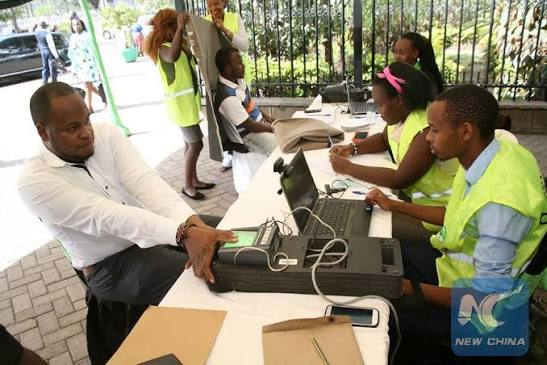
Among the counties, Nairobi leads in new registrations, with 1,597 people signing on in these first four days, followed by Mombasa, Kiambu, and Kisii. Some regions at the margins are seeing far fewer registrations so far.
IEBC aims to register 6.3 million new voters in this drive, part of its larger vision of having about 28.5 million registered voters by the 2027 election. The goal is especially focused on youth who have recently turned 18 and those who did not register in past cycles.
But the optimism is tempered by concern. In many counties, turnout has been lower than expected. In Kilifi, for example, voter registration targets during the current drive are not being met yet as some residents remain hesitant, unsure about data privacy or unfamiliar with the new iris‐scan component.
For many young Kenyans, the process feels deeply personal. Registering isn’t just ticking a box: it’s a first step toward being heard, recognized, and counted.
And as the registration drive continues, the test for IEBC will be whether the new systems can reach everyone across counties, age groups, and social divided to build trust in a democratic process that many feel has left them out.





Leave a Reply to Baby Shark Cancel reply