


Kenya School of TVET (KSTVET) is an institution of higher learning situated in Nairobi, Kenya. It provides Technical and Vocational Education and Training (TVET).
Kenya Technical Trainers College has since 2020, started training of trainers only and transferred all other students to different colleges around. The Kenya Technical Trainers College (KTTC) was renamed in 2022 to Kenya School of TVET and got a higher mandate to provide Continuous Professional Development for TVET institutions.

Students revolve towards technical accredition in the wake of post-degree recession
Over the last few years, one can easily see a development in the education sector which itself is a strong deciding factor in our investment, which we now put on technical education instead of degree education.
“One reason is that technical education makes a lot more sense to a lot of students, including myself, considering how the job market is right now. We need skills directly into the job market,” Mary Lelan
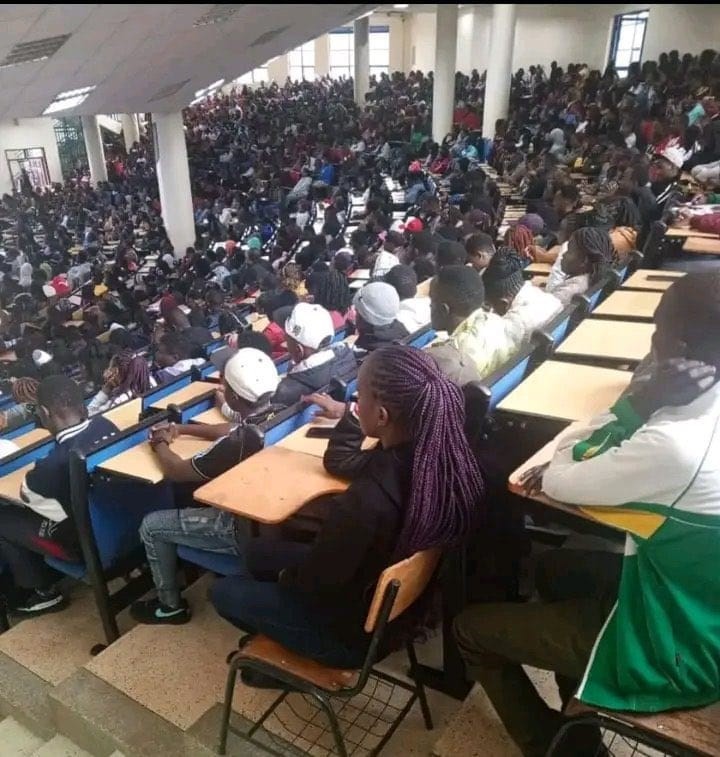
This increase in enrollment is cited by many students as a sign of the shifting of the job market, where traditional degree holders struggle to find work. “One reason is that technical education makes a lot more sense to a lot of students, including myself, considering how the job market is right now. We need skills directly into the job market,” KSTVET student Mary Lelan said.
Mary graduated with a Bachelor of Health Records in 2020 and was looking for a job but unable to find one. All had to release its workers, especially on a degree, and there I have noticed in 2023 that technical skills are highly so-called. This reminded me of a diploma in technical training that would qualify me for a job and eventually be a TVET trainer,” said Mary.
Hopeful Tech Ed Success Stories: The Impact Is No Longer Hypothetical
The evidence of technical training’s effectiveness lies in the continued successes of KSTVET alumni. Many have acquired permanent employment as trainers and educators in other TVET institutions. “I’m aware of graduates that are getting jobs very quickly training students in fields like health sciences, engineering, and IT.
Their skills were acknowledged straight up — they had a job right away,” Mary said.
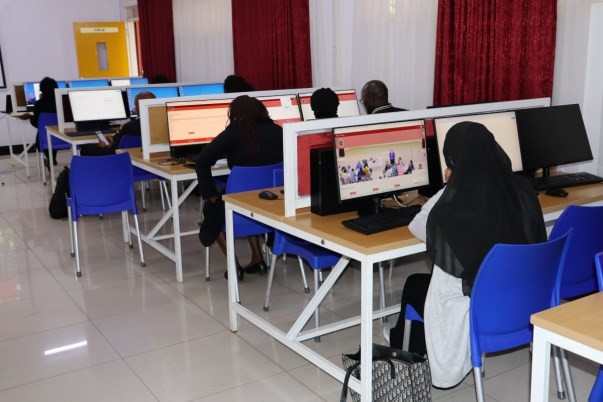
I saw my peers getting placed at stable job opportunities in the world of training, I knew it was the right call for me,” James said. These testimonials highlight the importance of technical training, establishing it as a viable alterna-tive to university education.
How to Make Any Kind of Transition Successful

Helpfully, while there are definitely benefits to switching from a degree program to receiving technical education, there are also some obstacles. “The most challenging part was the transition to a much more hands-on way of learning. But thanks to the instructor support and the hands-on nature of the coursework, I had no trouble adjusting,” said Mary.
Also, there’s another challenge that is common for all technical education. Some students say they face skepticism from family and friends who still view degrees as the better credential. “There was some skepticism from my family, but once they saw my success and the opportunity, they were more supportive,” Mary said. KSTVET as a guiding force allows them to integrate into this new habitat seamlessly and take advantage of the education model that encompasses practical teaching versus rote learning.
“The most challenging part was the transition to a much more hands-on way of learning. But thanks to the instructor support and the hands-on nature of the coursework, I had no trouble adjusting,” Mary.
Specialized Skill Development for the Competitive Edge
KSTVET programs are tailored for industry-specific skills and future trainer training in disciplines like health sciences, electrical engineering, plumbing, carpentry, and IT. “I am learning instructional skills and technical skills in health sciences. I would like to be trained as a TVET trainer, these skills are in demand, and I believe they will put me on a stable work path,” Mary
said.

Students are learning not just technical skills, but pedagogical techniques to effectively train others. “With our programs, if learners manage to grasp practical skills, they can join TVET as trainers,” said Dr. Kamau, the Head of the Applied Health Department. Mary described this aspect of
Institutional and Government Support
While acknowledging the role of technical education in ad-dressing unemployment, KSTVET has introduced activities to support students in critical transitions. “We offer counseling services, we have workshops and bridging courses for students to get used to the new learning en-vironment. We want to have a transition, a smooth transition,” Dr. Kamau said.
This growth is also underpinned by government back-ing. Additional funding, scholarships, and campaigns are drawing attention to technical training. “The government has ensured increased funding for technical education, scholarships, and awareness campaigns have been carried out to familiarize with benefits of technical skills and education future TVET in-
structors,” Dr. Kamau said.
There has been important proreform that is aligning the so-called technical training with the Kenya education system. “Recognition of TVET programs occurs solely at the national level, which is why institutions such as KSTVET are instrumental in determining the direction of technical education in Kenya,” he said.
“We offer counseling services, we have workshops and bridging courses for students to get used to the new learning environment. We want to have a transition, a smooth transition,” Dr. Kamau




Leave a Reply