


On October 2, 2025, the Kenyan-led Multinational Security Support Mission (MSS) in Haiti concluded after 15 months of operations. President William Ruto, addressing the United Nations General Assembly, reflected on the mission’s complexities and the broader implications for international peacekeeping efforts.
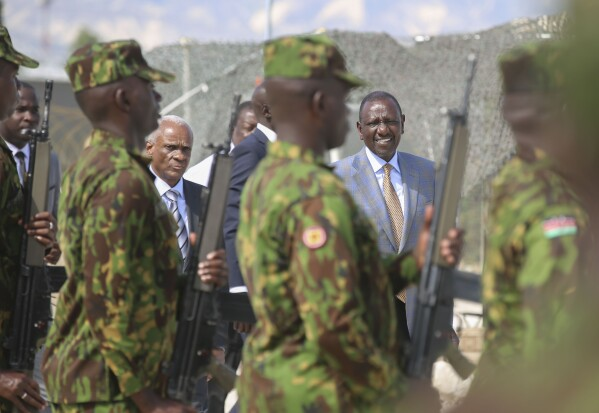
Kenya’s involvement began in June 2024, with the deployment of officers to assist Haiti in combating escalating gang violence. Despite the mission’s noble intentions, it faced significant challenges. The force operated with fewer than 1,000 officers, well below the planned 2,500, and was hampered by underfunding and inadequate equipment.
During the mission, Kenyan officers achieved notable successes, including securing the Port-au-Prince airport, retaking the presidential palace, and reopening critical infrastructure. However, these gains were tempered by the mission’s limited capacity and resources.
In response to the mission’s conclusion, the United Nations Security Council approved the establishment of a new Gang Suppression Force (GSF), comprising 5,550 personnel with a broader mandate to address Haiti’s security challenges. This transition underscores the international community’s commitment to supporting Haiti’s stability.
President Ruto emphasized Kenya’s commitment to Haiti, stating, “We were asked to step in, and we believe the mission is completed and was a success.” He also highlighted the need for clarity in the transition process to ensure sustained support for Haiti’s recovery.
As the MSS concludes, the focus shifts to the future. The international community must collaborate to provide the necessary resources and support to the new GSF, ensuring that Haiti’s journey towards stability continues without interruption.





Leave a Reply